

Defining Dream
Engineers, researchers, product leaders,
and architects in one room.
Our mission
We believe in the
American Dream.
We’re deeply passionate about democratizing architecture through the use of technology. We really believe that our models can play a role in reducing the cost of designing and building the world people want to live in.
Over the past 20 years, the US has doubled what it spends on construction. Yet we built fewer buildings in 2025 than we did in 2005. Every building still has to pass through a limited number of architects and engineers working with software from the 1990s. AI has already changed how legal, accounting, and financial work gets done. Dream does the same for the built world.
Founding Team
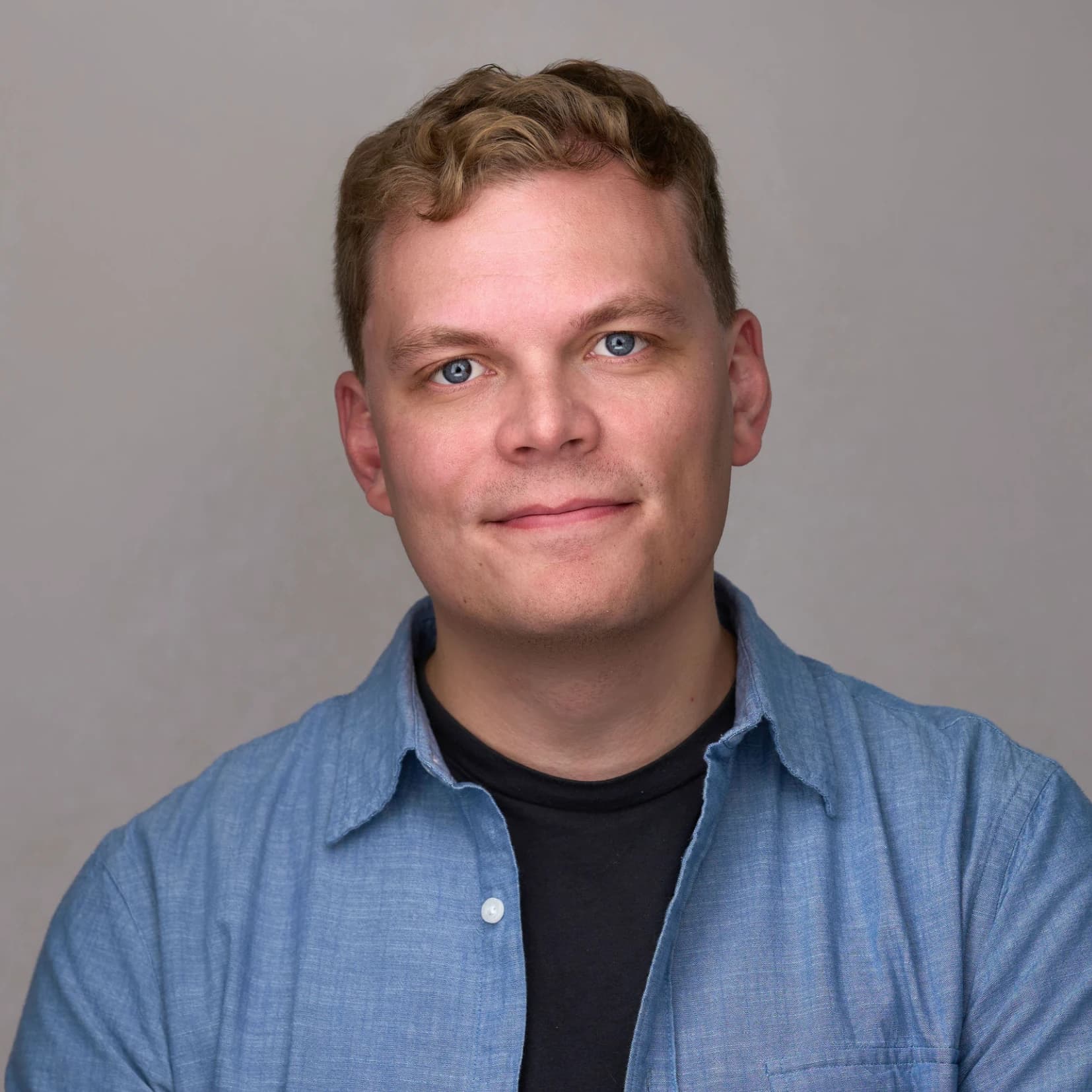
Andy Elder
Co-Founder
Andy spent more than a decade at Palantir, most recently as Global Head of Product Design, leading a global design organization with an engineering team of more than 800 people. He studied Computer Science at Stanford, with a focus on HCI.
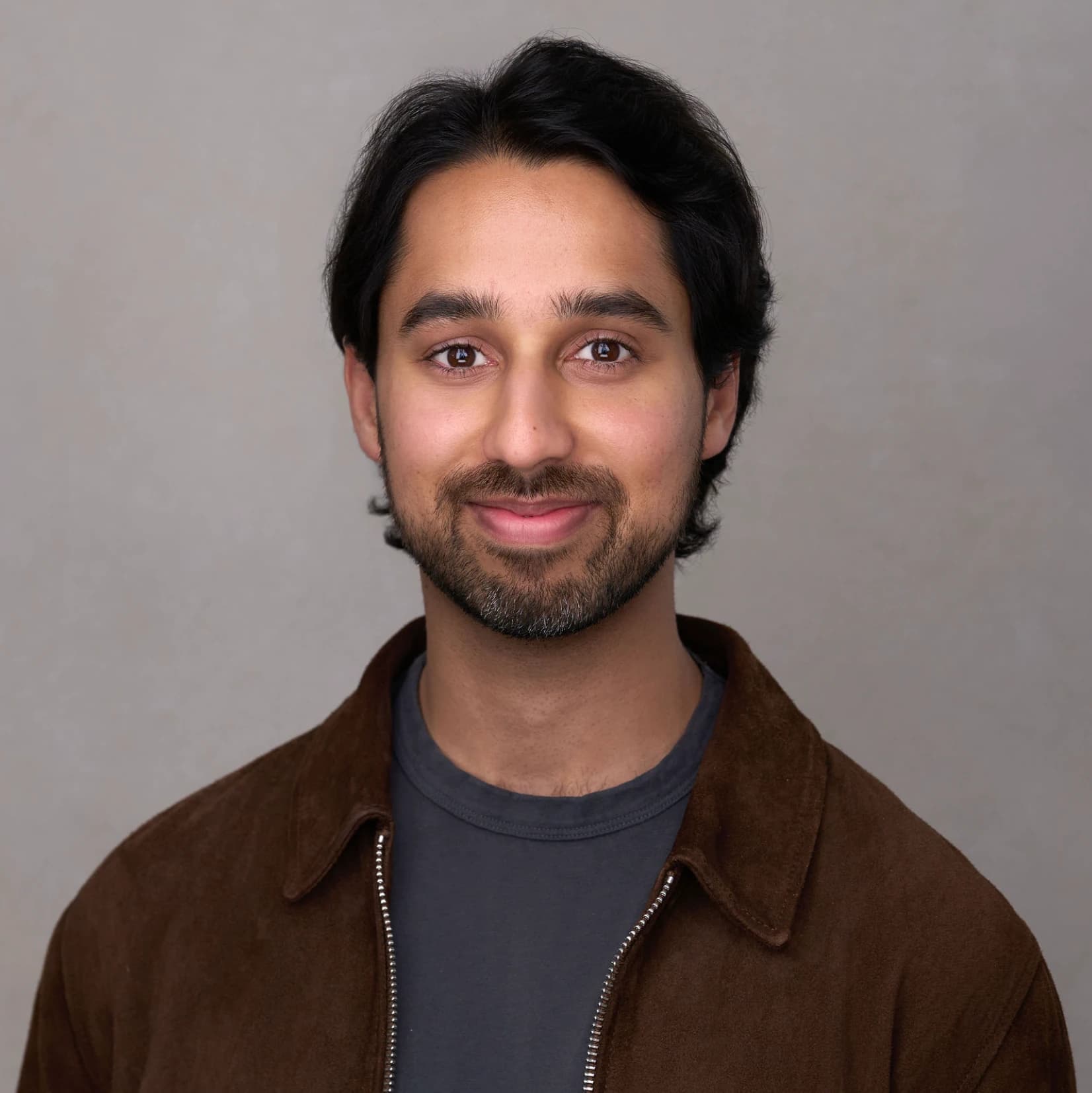
Arjun Mathur
Co-Founder
Arjun worked at Palantir for 10 years, where he rose from engineer to Senior Vice President and head of Global Commercial. There, he launched Skywise, Palantir's partnership with Airbus. He holds a B.S. in Computer Science from Stanford, with a concentration in AI.
Research, Engineering, & Architecture
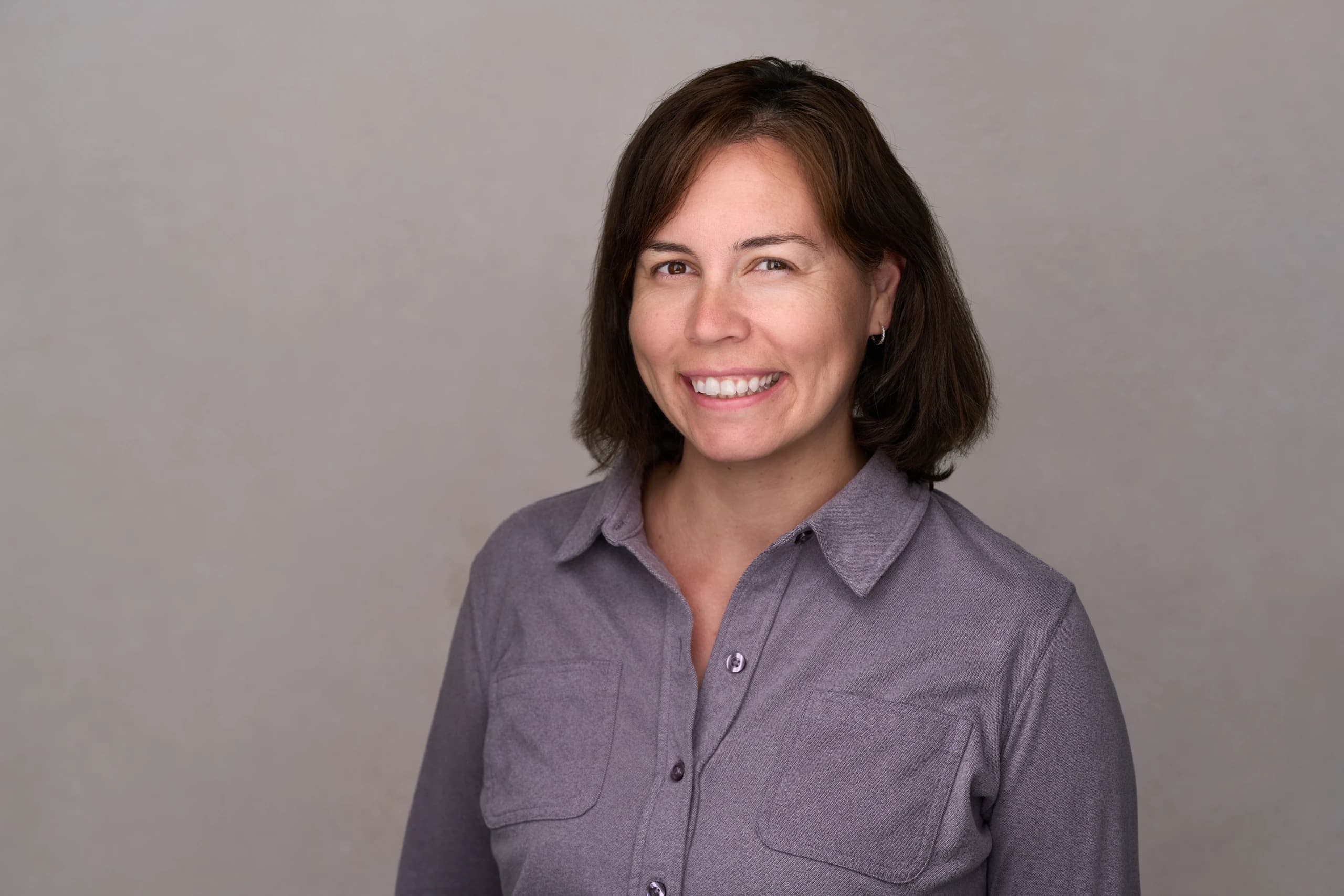
Derya Gol Gungor
Head of AI Research
Derya spent more than eight years at Siemens Healthineers, leading computer vision work for ultrasound systems. She also built vital-sign algorithms for wearables at Spry Health. She holds a PhD in Electrical and Computer Engineering from The Ohio State University.
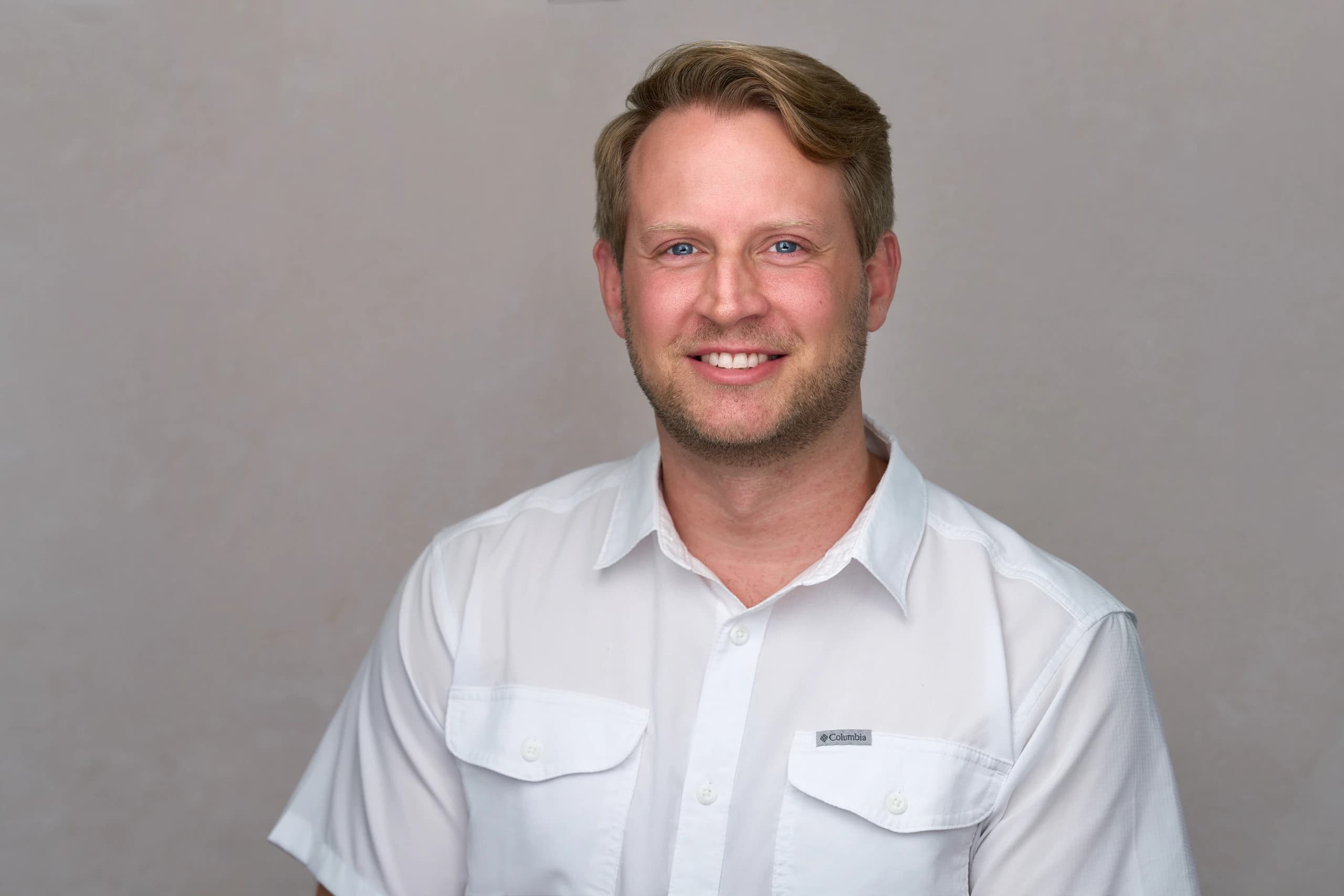
Lars Johansen
Founding Lead Engineer
Lars spent more than a decade at Okta, where he was a Principal Software Engineer and led the Inbound Federations team. He did graduate work in computer science at Harvard and MIT.
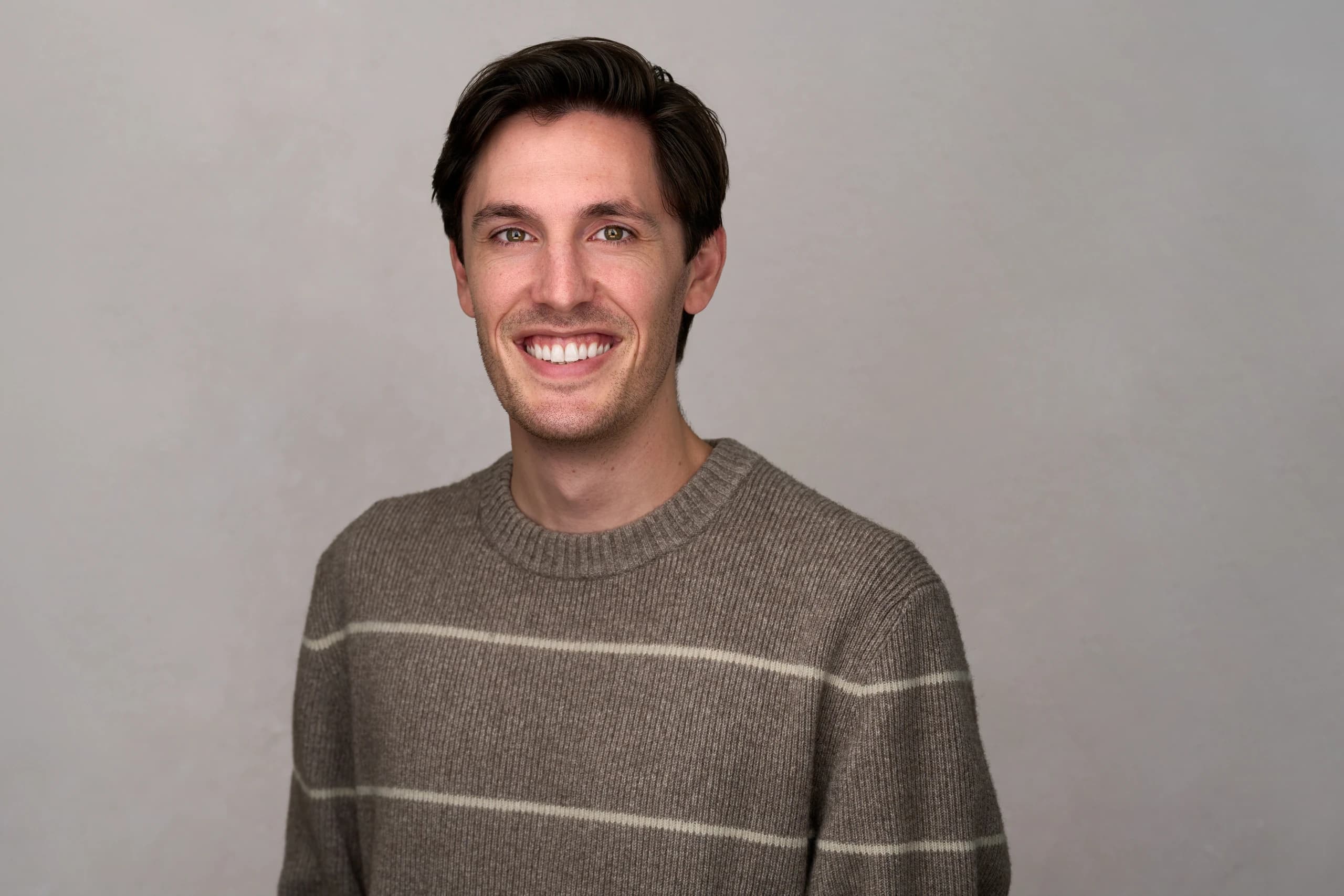
Jackson Lindsay
Head of Architecture
Jackson leads the deployment of Dream's models on real-world projects. He is a licensed architect in California and Texas with a background in architect-led design-build. He earned his master's degree at the Yale School of Architecture.
We’re looking for people who are great at their own craft and curious about someone else’s, whether that’s an ML researcher who wants to work in 3D or an architect who wants to teach a model judgment.
Find your role, or and tell us what you want to build with Dream.
FAQs
Last updated
Why does construction need AI?
The US has doubled what it spends on construction over the past 20 years, yet it built fewer buildings in 2025 than in 2005. Every building still passes through a limited number of architects and engineers working with software from the 1990s. Dream's built world models are designed to remove that bottleneck.
Why hasn't AI changed architecture and engineering yet?
AI has already changed how legal, accounting, and financial work gets done, because that work lives in text. Buildings live in three-dimensional space and have to obey physics, code, and constructability. Dream is training models specifically for that gap, so they produce documents a contractor can build from rather than pictures.
What is Dream's mission?
Dream's mission is to democratize architecture, using technology to bring down the cost of designing and building the world people want to live in. The company name comes from the American Dream and the idea that a home should be within reach.
Is Dream an architecture firm or a software company?
Dream is both. Dream develops built world models and also works as the architect of record on construction projects, so clients receive a delivered, buildable design rather than software their own team has to operate.
Where is Dream headquartered?
Dream is headquartered in San Francisco, California. It currently works as architect of record on projects in California and Texas.
How large is the market Dream is going after?
Construction is one of the world's largest industries, with more than $13 trillion in annual spending globally, and nearly every building in it is still designed with software first built in the 1990s. Dream's first focus is design and engineering for commercial projects such as retail storefronts, office space, and data centers.
Who founded Dream?
Dream was founded by Arjun Mathur and Andy Elder, who met as freshmen studying computer science at Stanford and have known each other for 15 years. They both spent 10 years at Palantir before starting Dream: Arjun as Senior Vice President and head of Global Commercial, Andy as Global Head of Product Design. Dream raised a $17 million seed round from Andreessen Horowitz (a16z), SV Angel, XYZ, and Zigg Capital.
Who is Arjun Mathur?
Arjun Mathur is a co-founder of Dream. He spent 10 years at Palantir, starting as a forward deployed engineer and rising to Senior Vice President and head of the company's Global Commercial business, where he built its manufacturing and supply chain practice. He also launched Skywise, Palantir's partnership with Airbus. He holds a B.S. in Computer Science from Stanford with a concentration in Artificial Intelligence.
Who is Andy Elder?
Andy Elder is a co-founder of Dream. He spent more than a decade at Palantir, most recently as Global Head of Product Design, where he led a global design organization with an engineering team of more than 800 people and shaped product strategy across defense, intelligence, and commercial software. He holds a B.S. in Computer Science from Stanford with a focus on human-computer interaction.
Does Dream's team have experience delivering enterprise software?
Yes. At Palantir, Arjun Mathur closed more than $1 billion in business and built Skywise, the Airbus partnership now used by more than 160 airlines and suppliers, while Andy Elder led design for enterprise AI platforms and operational systems used across industries. Lars Johansen, Dream’s founding lead engineer, spent more than a decade building mission-critical identity products at Okta.
Who leads AI research at Dream?
Derya Gol Gungor is Dream's Head of AI Research. She has more than a decade of experience in computer vision and applied AI, including more than eight years at Siemens Healthineers, where she was Lead Machine Learning Engineer for Computer Vision on ultrasound systems. Earlier, at Spry Health, she built algorithms that extract vital signs from a wearable device. She holds a PhD and an M.S. in Electrical and Computer Engineering from The Ohio State University.
Does Dream have licensed architects on the team?
Yes. Jackson Lindsay, Dream's Head of Architecture, is a licensed architect in California and Texas who practiced through architect-led design-build project delivery. He managed projects from a 3,600-square-foot net-zero custom residence to a 45-bed student housing development and earned his master's degree at the Yale School of Architecture. At Dream, he guides the spatial intelligence behind the models and leads their deployment on real projects.
Who leads engineering at Dream?
Lars Johansen is Dream's Founding Lead Engineer. He spent more than a decade at Okta, where he was a Principal Software Engineer, led the Inbound Federations team, and built large-scale, mission-critical identity products. He is a co-inventor on patents in identity, federation, and authentication, pursued graduate studies in computer science at Harvard, and wrote his master's thesis on network coding in Wi-Fi at MIT.
What kind of team does it take to build a built world model?
It takes three disciplines that rarely share a room: machine learning research to train a new class of model, practical knowledge of how a structure is designed, permitted, and built, and product experience to turn it into something people want to use. Dream's researchers, engineers, product leaders, and architects work side by side.
Is Dream hiring?
Yes. Dream is hiring people who are great at their own craft and curious about someone else's, such as a machine learning researcher who wants to work in 3D or an architect who wants to teach a model judgment. See open roles at jobs.ashbyhq.com/dreamhq, or send something you've made and what you want to build with Dream.