

Built World Models
Automate the design and engineering
of the physical world.

Not just a picture,
full building plans.
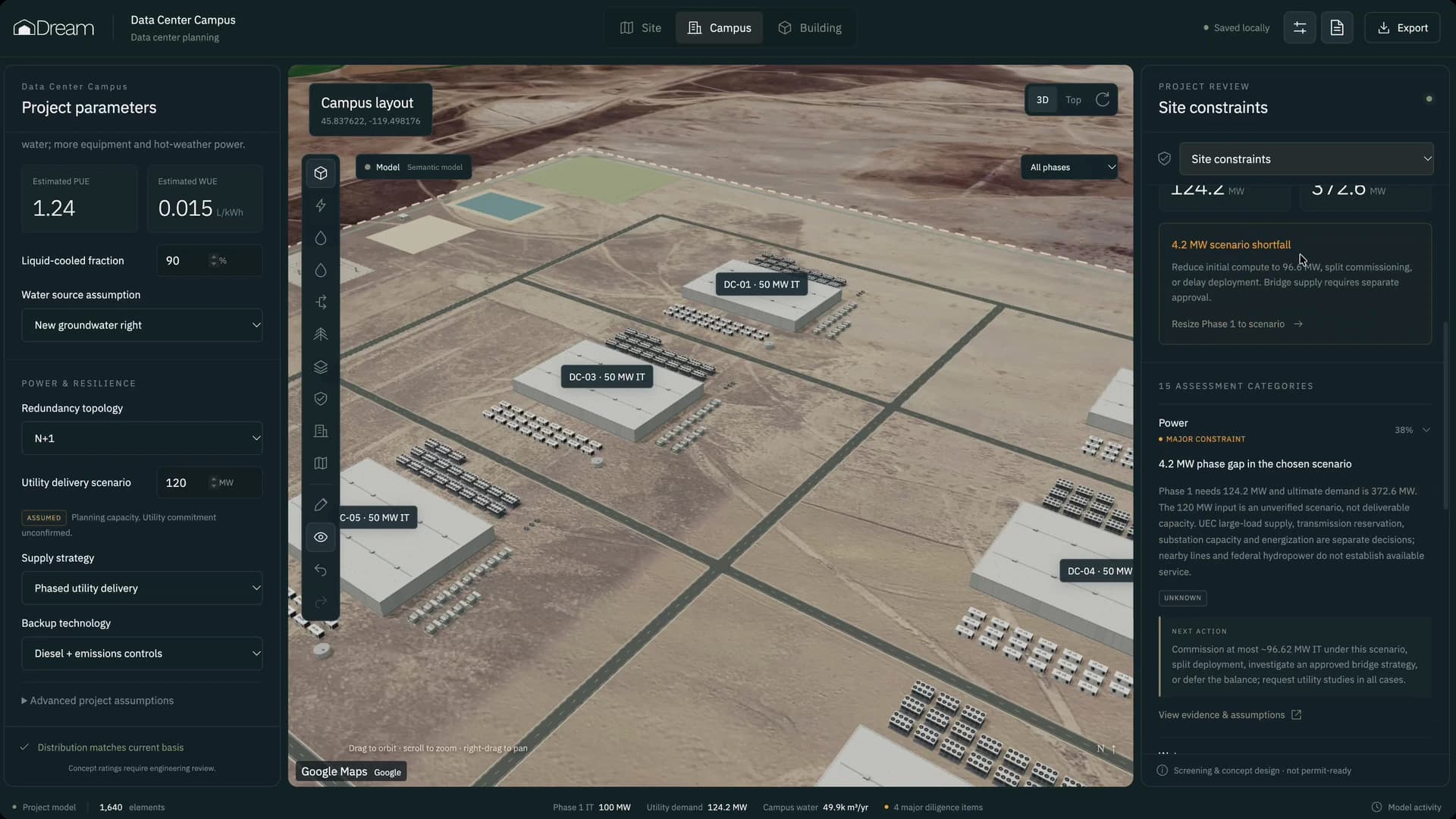
Built world models are trained to reason about physical, constructed space: its geometry, its constraints, and the relationships between objects and the spaces that contain them.
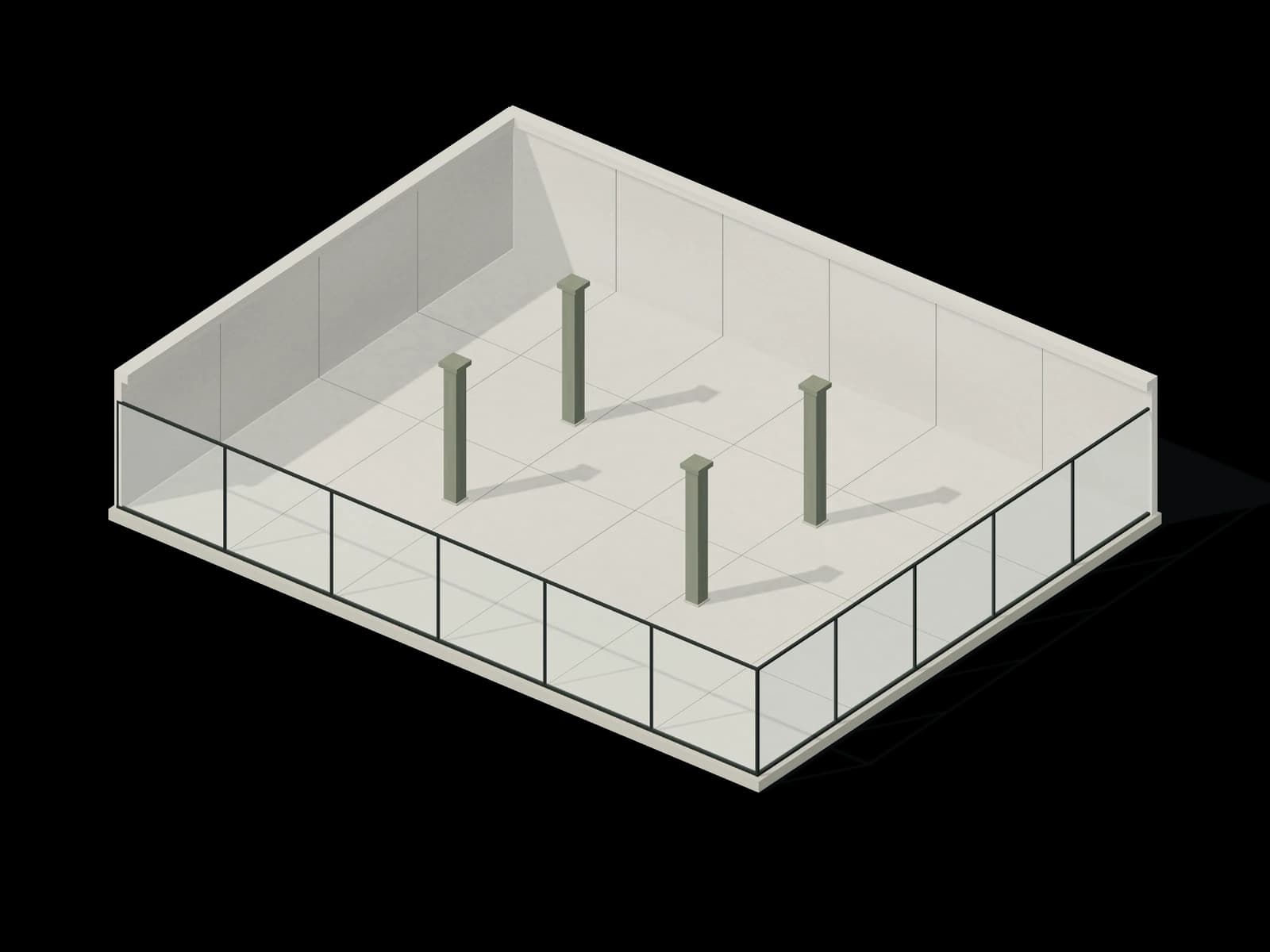
The structural load path runs from the slab through columns to the foundation.
The Structure
Reads the site, program, and spatial constraints to place every element where it belongs.
Structure · Geometry · Constraints
Scroll to build
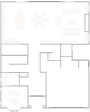
Thousands of designs
in just minutes, instantly
checked against code.

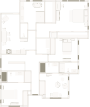



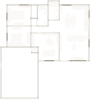
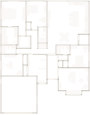


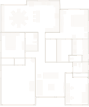


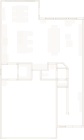
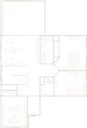

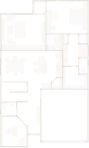

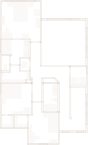

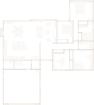


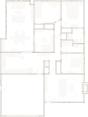


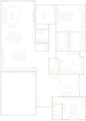

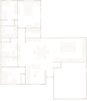

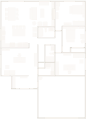


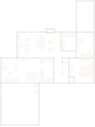
Move forward with the one that works for your site and budget.
Trained on real, permitted, built structures
So you can build faster.
- ft² of data
- 100M+
- active builds in CA and TX
- 10
- seed funding
- $17M
Explore thousands of plans
Build the
right one.
FAQs
Last updated
What is Dream?
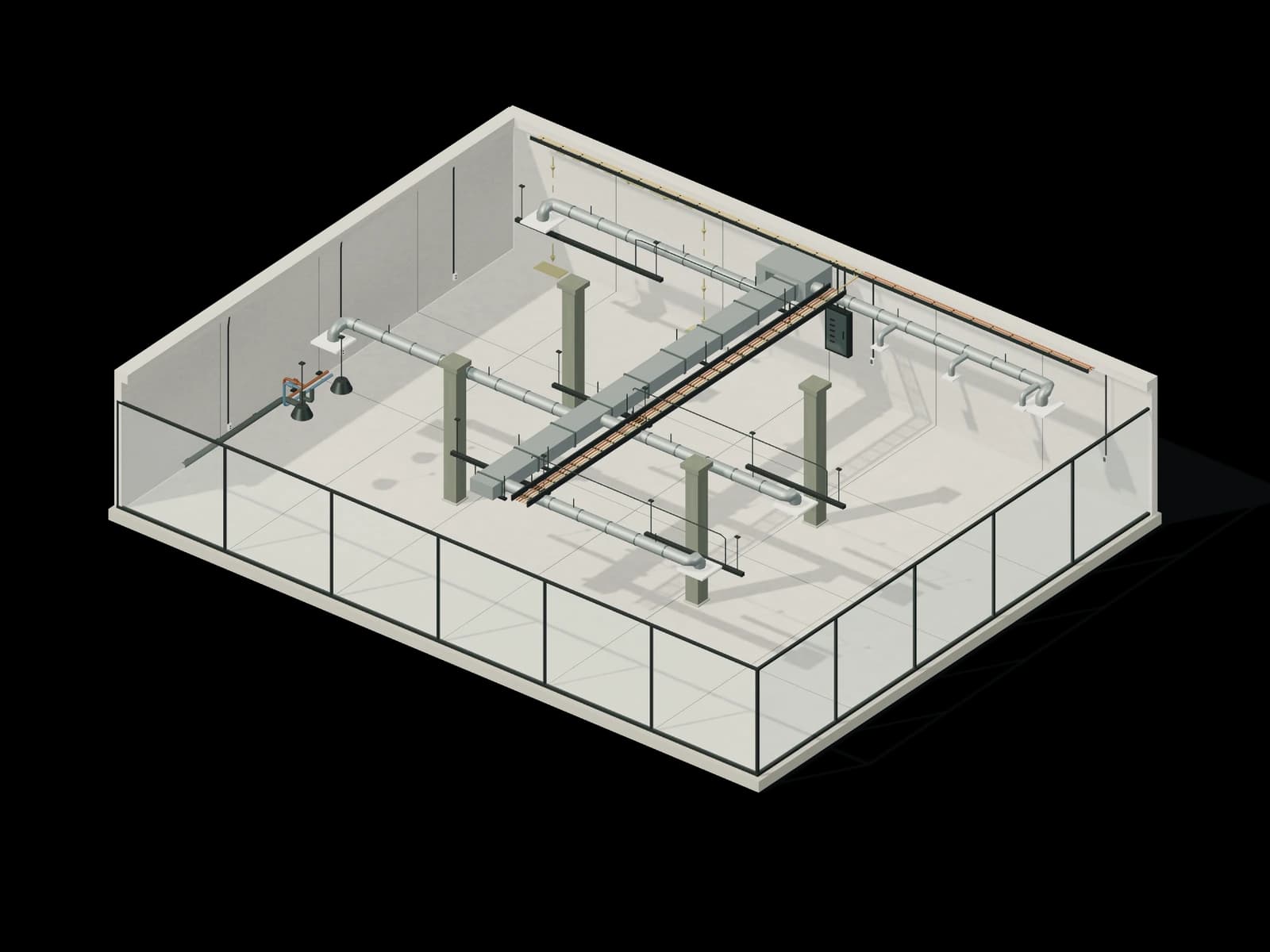
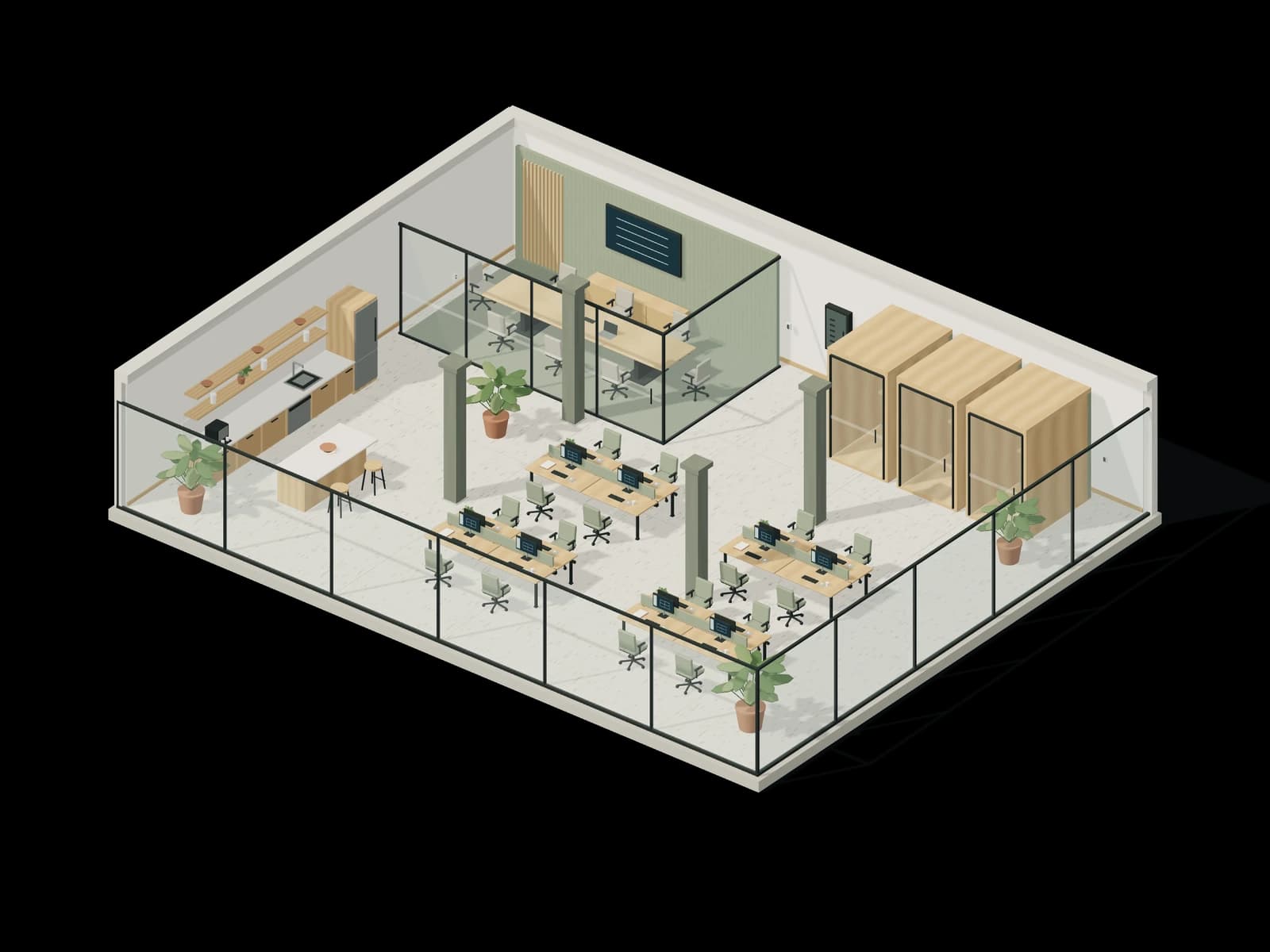
Dream is developing built world models, AI that automates design and engineering for the physical world, and serves as architect of record on construction projects in California and Texas. Its first focus is commercial work such as storefronts, office space, and data centers, where the models take a building from the floor plan down to the ductwork behind the walls in minutes instead of months.
What does Dream automate?
Dream automates design and engineering for commercial buildings. Its models take a project from layout through structure and building systems to a drawing set a general contractor can build from, work that traditionally takes more than a year for a single design.
What is a built world model?
A built world model is an AI model trained to reason about physical, constructed space: its geometry, its constraints, and the relationships between objects and the spaces that contain them. Dream introduced the category. Most AI can show what a building might look like; a built world model understands why it was designed that way.
What is structural cognition?
Structural cognition is the ability to reason about how a structure is constructed, including how its physical elements and complex systems fit together in space: the beams, the ductwork, the wiring, the HVAC and electrical systems, and more. Dream's built world models are trained to reason this way, which is what lets them produce buildable designs.
Can Dream design a data center?
Yes. Data centers are one of the building types Dream's models are built for. They are dense with coordinated systems, including structure, power, and cooling, which is where structural cognition matters most: a change to one system is checked against all the others before it reaches the drawing set.
Can Dream adapt one design across many locations?
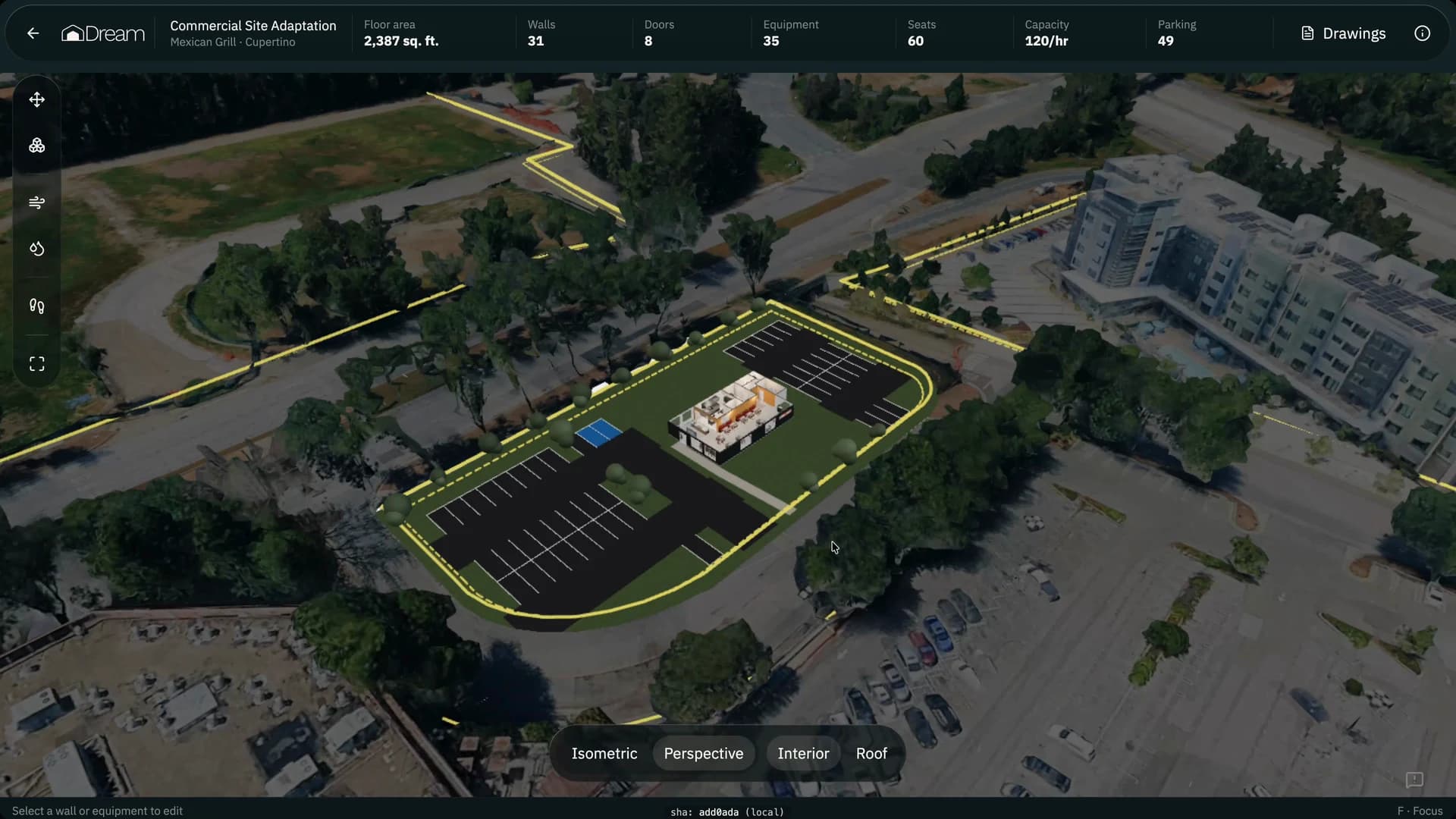
Yes. Dream's models can take one prototype, such as a store or restaurant format, and adapt it to each new site, rechecking layout, structure, and code for every location. Because options are generated and checked in minutes, a multi-site rollout does not mean starting each design from scratch.
What does a commercial client receive from Dream?
A Dream client receives construction documents a general contractor can build from, not a rendering. The drawing set covers the building's layout, structure, and systems, including plumbing and HVAC, and every option behind it has been checked against code and constraints.
How do we start a commercial project with Dream?
Commercial teams can start a project with Dream through the “Work with Dream” button at the top of every page. Tell us about your project or request a demo using the contact form, and our team will be in touch.